Transform Your External Area: Professional Landscape Design Solutions
Transforming outdoor spaces is a difficult endeavor. Many deal with challenges including subpar soil, limited sunlight, or fuzzy concepts for their grounds. Expert landscape designers present tailored solutions that handle these difficulties. They deliver a wealth of knowledge about local flora and sustainable practices. Their proficiency can make a considerable impact. What are the main perks of retaining expert designers, and how can they elevate your landscape enjoyment? The answers may astound you.
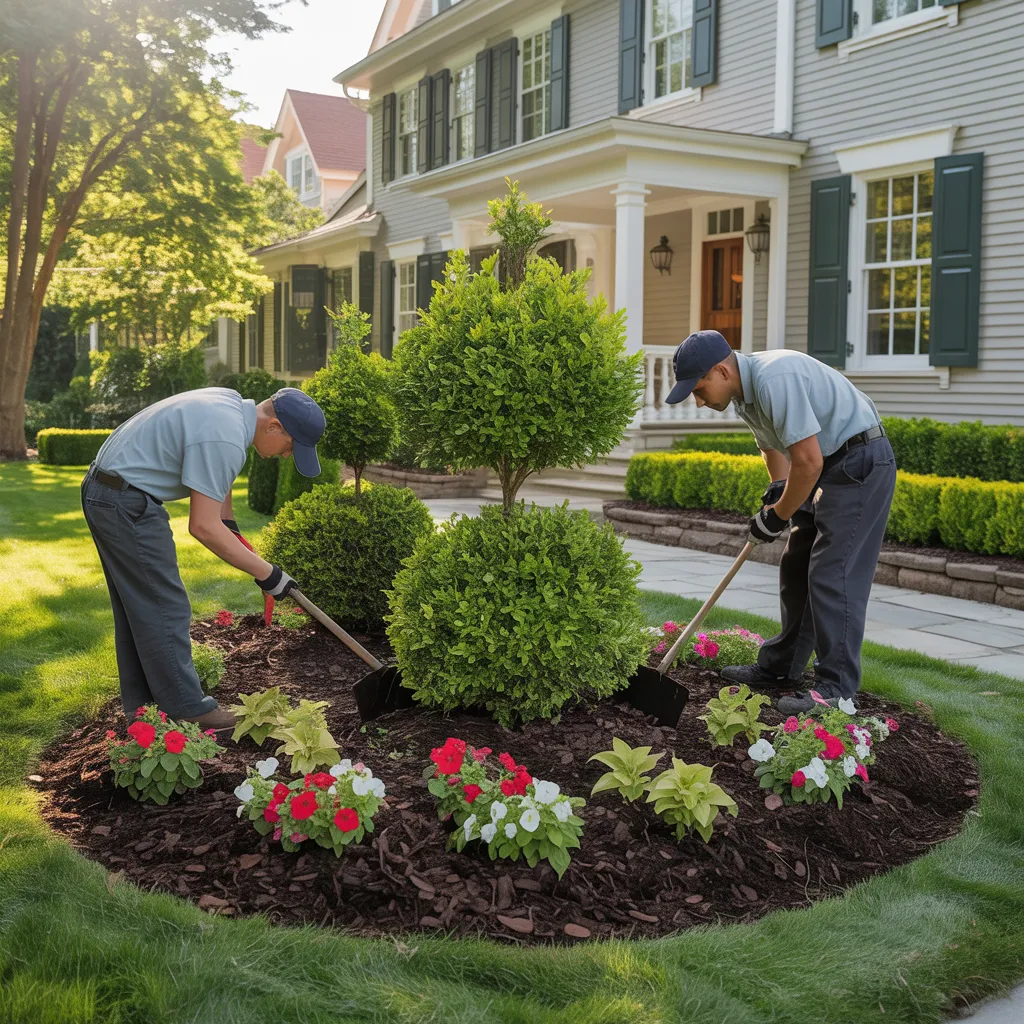
Widespread Landscape Design Setbacks
When beginning landscape design, many face obstacles that can hinder the process. One check this prevalent problem is insufficient planning, which can result in disconnected goals and implementation. Homeowners often struggle to juggle visual appeal with practicality, resulting in areas that may look appealing but fail to serve their desired function. Additionally, understanding the regional climate and earth composition can present challenges; unsuitable vegetation choices may lead to poor growth or maintenance issues.
Budget limitations also constitute a substantial obstacle, as many underestimate the expenses associated with materials and labor. Schedule coordination becomes essential, with delays in project schedules frequently arising from unexpected challenges. Finally, maneuvering through zoning regulations and laws can introduce another level of complexity, often necessitating permits or compliance with specific guidelines. These obstacles can discourage people, underscoring the importance of a well-structured approach to design planning.
Why Engage Skilled Landscape Designers?
Grappling with the challenges of landscape design can often stress even the most eager homeowners. Numerous aspects, such as plant selection, terrain features, and irrigation systems, must be coordinated to fashion a well-integrated outdoor space. Expert design specialists demonstrate the instruction and experience vital to navigate these complexities effectively. They grasp the local climate, earth composition, and native vegetation, ensuring the designs are both environmentally responsible and visually beautiful.
Also, professionals supply a considerable wealth of inventive thoughts and innovative solutions that serve individual preferences and personal circumstances. They are able to visualize the potential of a space, converting ordinary yards into breathtaking garden vistas. Engagement with building professionals and compliance with local codes are pertinent considerations where their expertise becomes vital. Finally, employing an professional landscaper reduces the burden of trial and error, allowing homeowners to experience a expertly crafted outdoor environment suited to their unique vision.
Best Strengths of Employing Professional Landscape Designers
Retaining professional design professionals offers several advantages that can elevate any outdoor space. First, their expertise guarantees that concepts are not only aesthetically pleasing but also practical, accounting for factors like drainage, sunlight, and plant compatibility. This expertise helps avoid costly mistakes that can occur from DIY efforts.
Moreover, professional designers grant access to resources, like quality materials and skilled labor, which can enhance the overall quality of the project. They can similarly supply tailored solutions that convey personal inclinations while upholding local regulations and green practices.
Furthermore, the teamwork with a landscape professional enables homeowners to articulate their vision effectively, resulting in a unified and balanced landscape. This collaboration often produces creative solutions that homeowners might not have thought about, enhancing the potential of the exterior space. Ultimately, hiring a expert designer transforms an standard area into a beautifully curated environment.
Innovative Methods to Improve Your Outdoor Area
Changing an outdoor space into a striking retreat can be achieved through a variety of creative ideas that match personal tastes and functional needs. Incorporating multiple plant species can add texture and color, while raised gardens boost space and create a stunning visual impact. Outdoor seating areas can be enhanced with comfortable furniture, perfect for relaxation or entertaining guests.
Water features, such as fountains or small ponds, provide tranquil sounds and encourage wildlife, augmenting the overall atmosphere. Maximizing outdoor lighting strategically can feature key elements and continue usability into the evening.
Using walkways made with sustainable stone or reclaimed materials can guide visitors through the outdoor space, establishing an inviting atmosphere. Additionally, functional features like elevated planting beds or exterior cooking areas can enhance both aesthetics and practicality, guaranteeing the space is not only visually appealing but also adaptable for various activities.
Guidelines for Keeping Your Yard Design
Essential care is critical for preserving the visual appeal and functionality of any garden layout. Regularly inspecting plants for health is vital; dead or diseased foliage should be promptly removed to avoid further extension. Additionally, proper watering approaches, adapted for the demands of individual species, can greatly enhance expansion and liveliness.
Mulching suppresses weeds while retaining soil moisture, rendering it a beneficial practice. Seasonal pruning encourages healthy growth and maintains desired shapes. Moreover, periodic fertilization supplies important nutrients, ensuring that plants flourish throughout the year.
Outdoor landscape features including walkways and outdoor living areas should be checked for damage. Regular cleaning and restoration can stop decline and enhance visual appeal. Finally, keeping watch on insects and pests and applying effective interventions can safeguard the landscape's structural integrity. By adopting these tips, property owners can ensure their outdoor environments remain inviting and well-maintained for years ahead.

Frequently Asked Questions
How much time Does a Standard Landscape Design Project Take?
A basic landscape design project generally lasts two to eight weeks in duration, contingent upon the design's complexity, site conditions, and the accessibility of materials and workforce, securing a comprehensive planning and execution framework.
What Does Expert Landscape Design Services Cost on Average?
The standard price for professional landscaping design work usually falls from $2,000 to $7,000, based on project size, complexity, and location. Variables including materials and labor can significantly impact the ultimate cost.
Do Landscape Designers Hold Certifications or Industry Credentials?
Landscape designers are not universally required to be licensed and certified; however, many opt to obtain certifications or degrees in landscape architecture, which can enhance their expertise and credibility in the field.
Is it possible to include existing Plants Into the New Design?
Yes, current vegetation can be incorporated into a fresh layout. Skilled landscape designers often assess existing plants to enhance visual appeal and practical use, ensuring that mature vegetation enhance the complete concept of the garden area.
What Elements Must I Evaluate in a Landscape Design Showcase?
When evaluating a landscape design portfolio, you should search for innovation, stylistic diversity, properly incorporated vegetation, thorough consideration of specifics, organized project documentation, and previous client reviews to determine overall success and quality.